bool(false)
bool(false)
bool(true)
bool(false)
bool(true)
bool(false)
bool(false)
bool(false)
string(4) "page"

Common diseases and Hygiene

What are infectious diseases and what are zoonotic diseases?

Infectious diseases in the shelter can spread from animal to animal

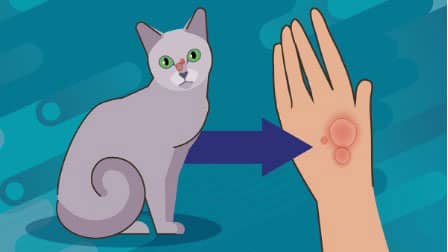
Zoonotic diseases can spread from animal to animal as well, but can ALSO spread to humans

Common Zoonotic Diseases and Parasites

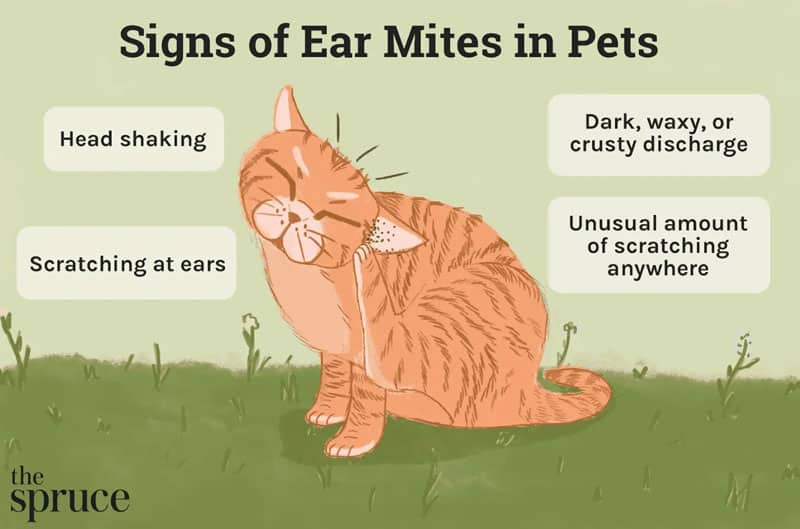
Ear Mites

  • Species: Dogs and Cats- possible, but highly unlikely for humans to catch
  • What it is: Tiny external parasites (Otodectes cynotis) that live in the ear canal and feed on skin debris.
  • Signs: Scratching at ears, head shaking, dark crumbly ear discharge (resembles coffee grounds), ear redness.
  • Impact: Can cause severe itching, ear infections, and scabbing around the head and neck. Very contagious between animals.
  • Prevention/Treatment: Topical medications such as Tresaderm, Selarid, or Revolution are commonly used. Clean ears before treatment and treat all in-contact animals to prevent reinfestation.

Special Note: In shelters, cats with ear mites often receive Tresaderm ear drops, which also help with secondary infections and inflammation.
Lice

  • Species: Dogs and Cats (species-specific; not zoonotic)
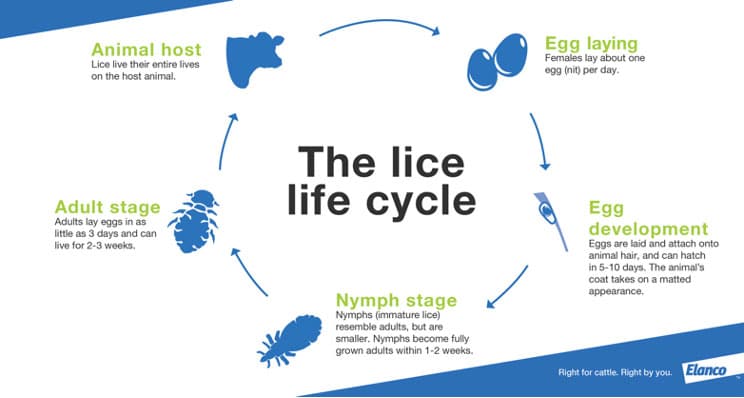
  • What it is: Small, wingless insects that live on the animal’s coat, feeding on skin debris or blood.
  • Signs: Itching, dull or scruffy coat, hair loss, visible tiny white eggs (nits) on hair shafts.
  • Impact: Causes discomfort and can lead to skin infections; spread by close contact but not to humans.
  • Prevention/Treatment: Topical flea preventatives such as Selarid or Provecta eliminate lice. Bedding and grooming tools must be cleaned or replaced.

Fleas

  • Species: Dogs and Cats; fleas can bite humans but humans are not their preferred host
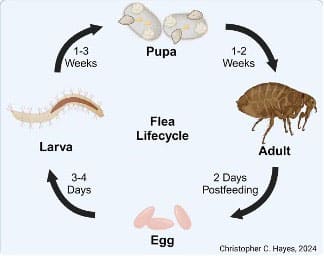
  • What it is: Small, jumping external parasites (most commonly Ctenocephalides felis) that feed on blood and lay eggs in the environment.
  • Signs: Scratching, biting at skin, hair loss, “flea dirt” (black specks of digested blood), visible fleas, pale gums in severe infestations (especially puppies/kittens).
  • Impact: Causes itching, skin irritation, and can lead to flea allergy dermatitis. Heavy infestations can cause anemia in young or sick animals. Fleas can also transmit tapeworms.
  • Prevention/Treatment: Topical or oral preventatives such as Selarid, Provecta, or Capstar (for quick kill). Treat all animals in the household and clean bedding, floors, and soft surfaces since most of the flea life cycle occurs in the environment.

Ringworm

  • Species: Dogs and Cats; Humans can catch from contact with spores
  • What it is: A fungal infection of the skin, not an actual worm.
  • Signs: Circular hair loss, scaly skin, sometimes itchy patches.
  • Impact: Zoonotic (can spread to humans); slow to treat but not life-threatening.
  • Prevention/Treatment: Lime sulfur dips, oral antifungals, and cleaning contaminated areas.

Roundworms

  • Species: Dogs and Cats; Humans can catch most commonly by accidentally ingesting microscopic eggs found in contaminated soil, food, or water. Infections also occur from contact with the feces of infected animals and accidental ingestion after contact
  • What it is: Intestinal worms transmitted via feces or nursing mothers.
  • Signs: Pot-bellied appearance, diarrhea, visible worms in stool.
  • Impact: Can cause poor growth and intestinal blockage; zoonotic.
  • Prevention/Treatment: Routine deworming with medications like pyrantel.

Hookworms

  • Species: Dogs and Cats; Certain species of hookworms that primarily infect animals like dogs and cats can cause infections in humans. In this case, they typically migrate in the skin, causing a rash called “ground itch” or cutaneous larva migrans (CLM)
  • What it is: Blood-feeding intestinal worms.
  • Signs: Pale gums, weakness, diarrhea, weight loss.
  • Impact: Can cause anemia, especially in young animals.
  • Prevention/Treatment: Dewormers like fenbendazole or pyrantel; maintain clean environments.

Tapeworms

  • Species: Dogs and Cats; Humans can get it by ingesting contaminated food, water, or things from surfaces with tapeworm eggs
  • What it is: Flat intestinal worms transmitted by fleas or eating infected prey.
  • Signs: Worm segments near anus or in stool, mild digestive upset.
  • Impact: Usually mild but indicate a flea problem.
  • Prevention/Treatment: Dewormers like praziquantel and strict flea control

Coccidia

  • Species: Dogs and Cats; Human coccidiosis is caused primarily by Toxoplasma gondii, which often is transmitted to humans by infected cats or dogs and results in an illness known as toxoplasmosis. Infection, however, only occasionally causes a flu-like illness; exceptions are immunocompromised individuals, who may experience severe illness, and pregnant women, in whom congenital toxoplasmosis may affect the developing fetus. In addition to cats and dogs, certain fishes, amphibians, and reptiles also harbor Toxoplasma. Infection in humans typically is by ingestion of T. gondii oocysts.
  • What it is: Microscopic intestinal parasites.
  • Signs: Loose stool or diarrhea, especially in young animals.
  • Impact: Can cause dehydration and weight loss in severe cases.
  • Prevention/Treatment: Treated with ponazuril; maintain good sanitation.

Giardia

  • Species: Dogs and Cats; Animals and humans both get giardiasis, and they can both pass it on to others through their poop. The Giardia cyst lives within microscopic traces of poop within your environment that are too small to see. These traces can linger on surfaces, in bodies of water and on people’s hands if they don’t wash them well enough after using the bathroom. They can also transfer to people’s food and drinking water. Giardia infection happens when you accidentally ingest the microscopic parasite during the cyst stage of its life cycle. The Giardia cyst is sort of like an egg that can survive in the wild until it finds a body (host) to hatch in. After you swallow it, the cyst settles and “hatches” in your small intestine. The parasite feeds off your nutrients and multiplies. After this, it changes back into a cyst and passes out in your poop.
  • What it is: Protozoan parasite causing intestinal upset.
  • Signs: Soft or greasy stool, sometimes with mucus, weight loss.
  • Impact: Zoonotic potential; can be stubborn to eliminate.
  • Prevention/Treatment: Metronidazole or fenbendazole; frequent bathing and cleaning help prevent reinfection.

Understanding these risks allows fosters to protect both their resident pets and themselves able to use the services of local 24-hour veterinary emergency clinics.

Sanitation Guidelines for Healthy and Sick Animals

Maintaining a clean environment protects both animals and people from disease. The following guidelines outline best practices for sanitation in foster homes.

 General Sanitation Principles (All Homes)

  • Wash hands before and after handling any animal, food, litter, bedding, or waste.
  • Clean daily and disinfect regularly using pet-safe disinfectants following label instructions.
  • Use separate supplies for each foster group whenever possible (bowls, litter boxes, brushes, toys).

Prevent cross-contamination:

  • Do not share cleaning cloths, mops, or scoops between spaces housing different animals.
  • Perform tasks for healthy animals before tasks for sick or quarantined animals.
  • Store cleaning chemicals locked away from animals and children.
  • Maintain good ventilation in animal areas to reduce airborne pathogens.

Sanitation for Healthy Animals

Daily Tasks

  • Clean bowls, fresh water, and replace food dishes.
  • Spot-clean litter boxes and outdoor potty areas.
  • Remove visible dirt, hair, and debris from floors, crates, and bedding areas.
  • Launder bedding at least once per week or when soiled.
  • Rinse toys and allow them to fully dry. 

Weekly/As Needed

Disinfect bowls, litter boxes, crates, and carriers.

  • Deep-clean floors and high-touch surfaces (doorknobs, gates, pen latches).
  • Wash blankets, bedding, pet clothing, and soft toys with hot water.

Best Practices

  • Keep animals’ living areas dry to prevent mold, bacterial growth, and odors.
  • Immediately clean up urine, feces, or vomit using an enzymatic cleaner followed by disinfectant.

Sanitation for Sick, Exposed, or Quarantined Animals

Animals with contagious conditions (respiratory illness, parasites, GI issues, ringworm, etc.) require stricter sanitation. Follow your rescue’s disease-specific instructions when provided.

 Isolation Setup

  • House sick animals in a separate room with a door. Use separate supplies: bowls, toys, litter boxes, cleaning tools, bedding.
  • Keep laundry from sick animals washed separately from household items.
  • Limit traffic in and out of the room to essential caretakers only.

Enhanced Daily Cleaning

  • Wear protective gear as needed (gloves, gown, washable clothing).
  • Clean and disinfect all surfaces daily, including door handles and light switches.
  • Scoop litter boxes or clean potty pads last to avoid contaminating other items.
  • Remove waste in sealed bags and take directly outside.
  • Change bedding daily if dealing with diarrhea, vomiting, or respiratory discharge.

 Disinfection

  • Use a vet-approved disinfectant effective against the relevant pathogens (e.g., parvovirus, panleukopenia, ringworm).
  • Follow proper contact time (the amount of time the surface must remain wet to kill pathogens).
  • Disinfect:
    • Floors
    • Crates/carriers
    • Litter boxes
    • Food/water bowls
    • Door frames/handles
    • High-touch surfaces
  • Allow surfaces to fully dry before animals reenter the space.

Handling Sick Animals

  • Care for healthy animals first, then sick animals.
  • Change clothing or wash exposed skin after handling, if necessary.
  • Do not allow sick animals to roam common areas.
  • If a zoonotic disease (transmissible to humans) is suspected, follow coordinator instructions immediately.

Waste Management

  • Pick up feces promptly—indoors and outdoors.
  • Use disposable gloves when cleaning vomit, diarrhea, or blood.
  • Dispose of waste in tied bags and place in outdoor bins.
  • Clean and disinfect the area after waste removal.
  • For litter boxes:
    • Scoop at least once daily.
    • Fully dump, wash, and disinfect weekly (or more often for sick cats).

Laundry Guidelines

  • Wash animal bedding, towels, and soft toys in hot water with detergent.
  • Add a disinfectant or bleach (if safe for materials) for sick-animal laundry.
  • Dry items thoroughly at high heat.
  • Do not mix laundry from sick and healthy animals.
  • Use washable, easily sanitized materials whenever possible.

Personal Hygiene & Household Precautions

Keep food preparation areas separate from animal cleaning areas.

  • Wash hands thoroughly after any cleaning tasks or animal contact.
  • Keep young children, elderly individuals, and immunocompromised people away from sick animals.
  • Do not share personal items (blankets, clothing, beds) with animals in quarantine.

Fostering animals is rewarding, but it’s important to be aware of common diseases that can affect foster animals and pose risks to resident pets or humans. Any sick animal that is contagious must be separated from the resident animal.

Adoptions – Medical Handouts – All Documents