
 Every time I walk through one of our three locations at Bideawee, I’m reminded that the national conversation about animal welfare and the slowdown we are seeing in dog adoptions is not just a conversation. It’s a real-life problem and it has four legs. A face. A personality. A story.
And lately, more often than not, it also has a larger frame.
Across the country and very much here at Bideawee, we are seeing a growing and deeply concerning trend: big dogs are waiting longer than ever to be adopted.
According to the Hill’s Pet Nutrition State of Shelter Pet Adoption Report, shelters remain over capacity nationwide, and while large dogs make up a smaller percentage of overall intakes, they experience the longest lengths of stay and the greatest barriers to adoption.
We are living that reality every day.
And so is Obie
Obie came to us as so many dogs do: through no fault of his own.
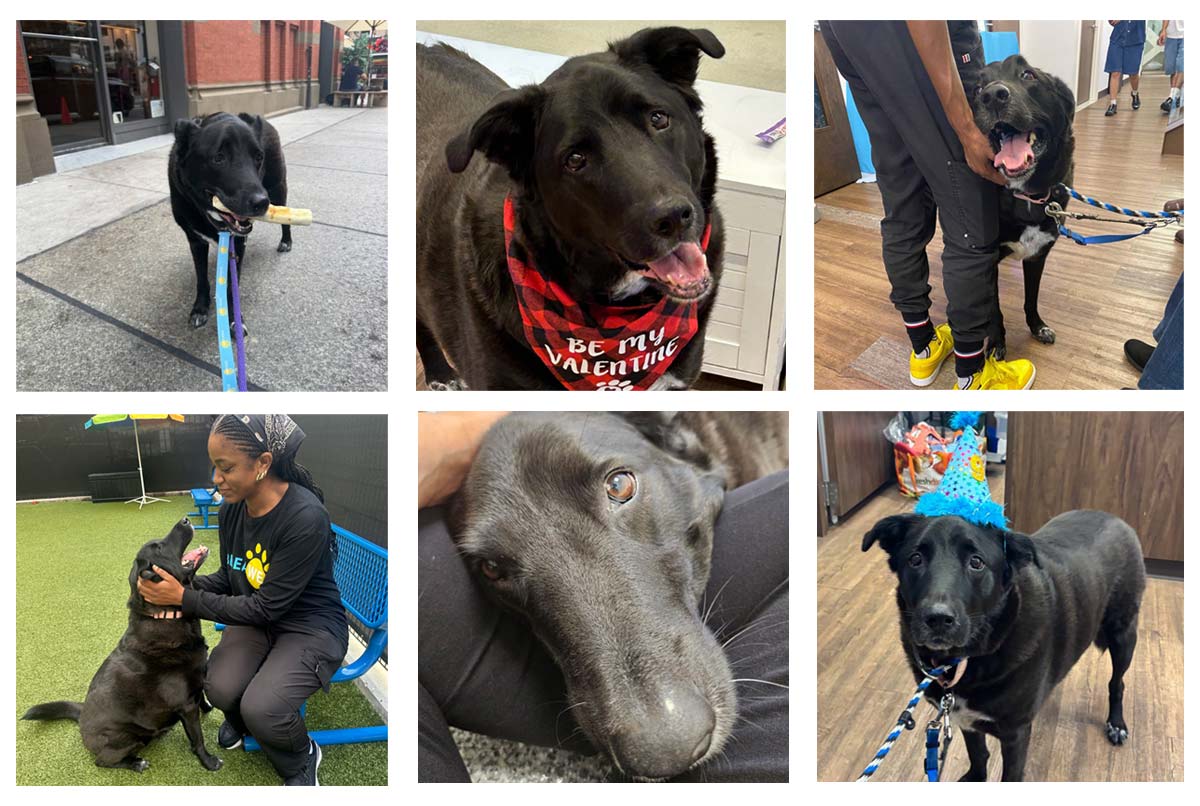
He is a big, beautiful dog with soulful eyes and a gentle demeanor that instantly wins over anyone who takes the time to meet him. He leans in for affection, walks beautifully on leash, and has that quiet, steady presence that makes you feel calm just standing next to him. And you can’t NOT pet him.
Obie is what we lovingly call a gentle giant. He has completely captured the hearts of the staff and volunteers who know him best and has become a familiar, beloved presence around the shelter.
And yet, Obie just waits.
And waits.
There is nothing wrong with Obie.
He is simply big and growing older every day in shelter.
What the Data Confirms
What we are seeing with Obie is not unique. It’s systemic.
So, just why do we think bigger dogs are staying much longer in shelter than smaller breeds?
- Cost concerns: People think the larger the dog, the larger the expense.
- Housing restrictions (Especially in NYC!): Many apartments or rental homes still enforce size or breed limitations.
- Lifestyle assumptions: A belief that big dogs need more space or are harder to manage.
- Confidence gaps: Potential adopters are often unsure if they can handle a larger dog.
So really, it’s not a lack of compassion. It’s a lack of knowledge.
People care. They just aren’t always sure they can say yes.
The Hidden Cost of Waiting
But waiting comes at a cost.
For dogs like Obie, longer stays can mean increased stress, declining mental health, and fewer opportunities to show their true personalities outside of a shelter environment.
For shelters, it means difficult decisions about space, resources, and how to continue serving the community and save more animals while already operating at or above capacity.
And for our teams who love these animals and advocate for them every single day it can be heartbreaking.
Changing the Narrative
Here’s what I know, both from the data and from years of experience:
Big dogs are not “more.” They are not “too much.”
In many cases, they are calmer, more settled, and deeply connected companions. I know my two girls at home certainly are!
What big dogs need is not more space. It’s more opportunity. They don’t even need a perfect home. They need the right one.
And often, what adopters need is support, reassurance, and the confidence to take that step.
A Call to Action
If we are going to address the shelter capacity crisis in any meaningful way, we must address the reality facing large dogs.
That means:
- Expanding access to pet-friendly housing (see my last blog on this one!)
- Supporting adopters with resources and education
- And telling a different story about dogs like Obie
Because behind every statistic is a dog just like our dear sweet Obie who is ready.
Ready to go home. Ready to love. Ready to be seen for who they are and not just how big they are.
Obie is still waiting.
And he’s not alone.